


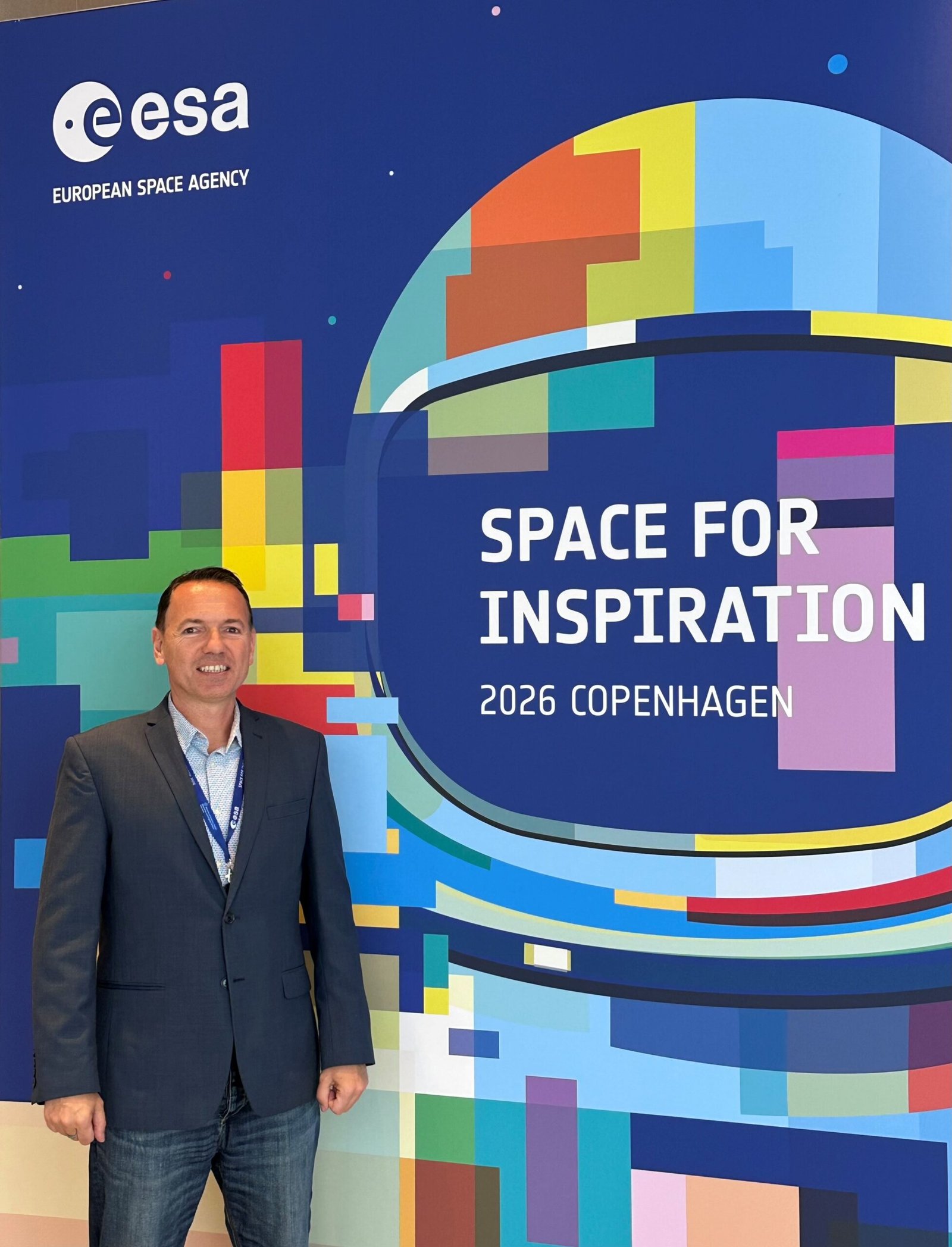
I spent 1-2 September in Copenhagen at ESA’s annual conference on Commercial Space Exploration. This year’s cross-cutting theme was Scaling Research and Production in Space. Here is what stayed with me.
1. Scaling means different things on each side of the Atlantic. In the U.S., scaling loss-making companies is the norm. You capture the market first and turn a profit later. High risk, high reward. In Europe, you scale once you make a profit. Seen through that lens, the conference theme was a misnomer. The business case for in-space research and production is not proven yet. Scaling now is a high-risk bet.
2. A room full of believers is not the same as a market. Nearly everyone at the event believed in the microgravity economy, myself included. That does not mean it will take off the way we all hope. It did feel like a family reunion. I passionately support the smaller start-ups, and it was great to meet the larger, more established players and hear their latest developments.
3. The PwC microgravity market forecast was refreshingly realistic. It looked at several scenarios. The most likely one for the next few years: steady growth until a breakthrough microgravity production application hits high demand. PwC assumes that breakthrough will come. I am rooting for it too. But nobody knows when the market will take off and the scaling will follow.
4. What was missing? The customers. The event was very well organised and many microgravity start-ups were invited. The people who would actually buy these products were not in the room.
There is a larger space family, and within it a smaller microgravity family. What unites us is the story of a microgravity economy, then a lunar economy and eventually an interplanetary one. The remarkable part is that this story is backed by space agencies and billions in funding to make it a reality.
The only thing missing is high demand for microgravity products, priced at roughly the price of gold per gram.
That demand will not appear on its own. Building it needs a long-term business development effort. The industry has to move from showing what microgravity can do to proving what customers can reliably buy. And at that price, a microgravity product has to be worth it. Its superiority or greater effectiveness over the Earth-made alternative cannot be a claim from the space family. It needs independent validation that customers trust. Add to that repeatability, standards and integration into existing industrial workflows, and you are looking at years. We all want commercial results quickly, but the better question is not “How do we convince customers?” It is “What do we need to build so that customers no longer need convincing?”
I will be back next year. My test for progress will be simple: are we still updating each other on progress with microgravity products, or are we starting to talk about what we have built to make customers show up?