


The human brain, with its over 80 billion neurons and intricate network of connections, is one of the most complex structures in the known universe. While this complexity gives rise to our advanced cognitive abilities, it also poses significant challenges when it comes to understanding and replicating its functionality.
Artificial Intelligence (AI) was initially defined to replicate human intelligence, but when it was realized that this objective was too difficult, the definition of AI was simplified. This simplification has resulted in the current, very inefficient big-data based deep neural networks AI paradigm, which requires vast amounts of computing power and energy.
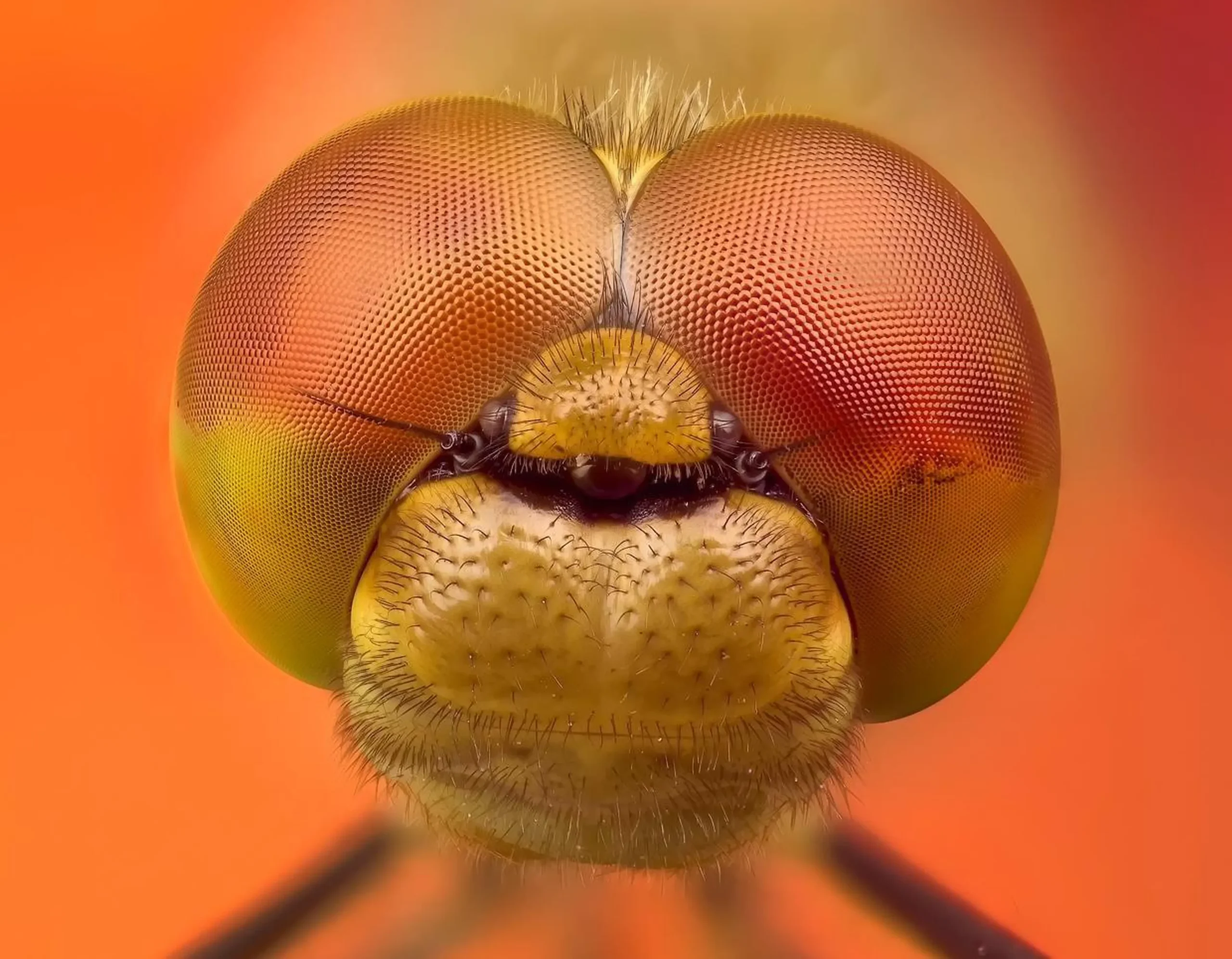
In contrast, insects have much simpler brains, yet they exhibit remarkable capabilities in specific domains. For instance, the dragonfly, with its mere 250,000 neurons, can intercept prey with a success rate of up to 95%. This is achieved through specialized neuronal circuits that have been optimized over millions of years of evolution to perform rapid calculations for this specific task.
The relative simplicity of insect brains makes them easier to study and reverse engineer compared to the human brain. By understanding the algorithms and circuitry that underlie their specific abilities, we can develop AI systems that are highly efficient and effective at solving particular problems.
One area where this approach could prove invaluable is in space exploration. The constraints of limited processing power and energy on spacecraft and planetary rovers make it challenging to implement complex, general-purpose AI systems. However, by taking inspiration from insects, we could develop specialized AI modules that are optimized for tasks such as navigation and obstacle avoidance. These modules would require minimal computational resources and power, making them well-suited for the harsh conditions of space.
In the context of AI development, insect brains represent a lower-hanging fruit compared to the human brain. They are of particular interest for environments where only limited processing power can be used, such as in deep space exploration missions that rely on radiation-hardened processors. By focusing on the specific algorithms and neural circuits that enable insects to perform complex tasks with minimal cognitive resources, we can develop AI systems that are both robust and efficient compared to today’s inefficient big-data based AI systems.