


Poland has increased its ESA contributions from €194 million to a record €731 million, a €537 million rise over three years. The funding surge has quickly positioned Poland as one of the driving forces in Europe’s space sector.
On July 13, 2026, Polish Prime Minister Donald Tusk and ESA Director General Josef Aschbacher confirmed that Warsaw will host a new ESA Civil Security and Resilience Centre. It is ESA’s first facility located outside the 11 founding member states of 1975.
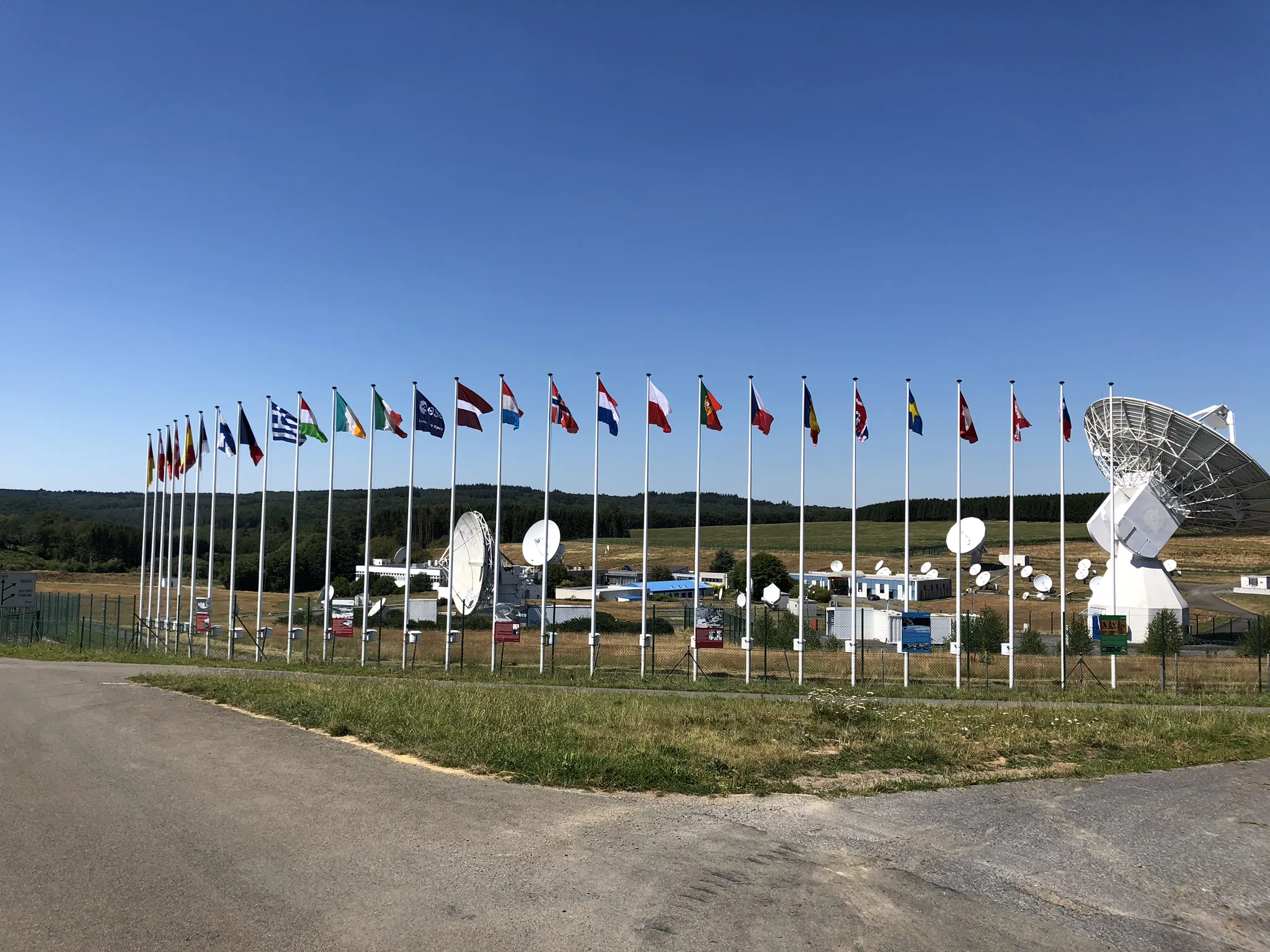
The centre will contribute to ESA’s expanding security and resilience activities. Based in Warsaw, it will operate alongside existing ESA establishments across Europe, including the European Space Security and Education Centre (ESEC) in Belgium, supporting a coordinated European approach to emerging security challenges. Pre-operational activities are expected to begin from 2027.
The announcement builds on Poland’s steady expansion within ESA since joining in 2012. The country has increased its participation across ESA programmes, significantly raised its subscriptions at CM25, and committed to ESA’s European Resilience from Space (ERS) initiative — an effort to strengthen Europe’s resilience through faster access to reliable data, secure communications, and more effective crisis decision-making.
Poland’s human spaceflight milestone reinforces this trajectory. In June-July 2025, ESA project astronaut Sławosz Uznański completed the “Ignis” mission to the International Space Station, Poland’s first government-sponsored human spaceflight. The 13 scientific experiments on board were each developed by a Polish space startup — meaning a whole cohort of Polish New Space companies now holds flight heritage from the ISS, a credential that matters when competing for commercial and institutional contracts.
That momentum is increasing. Poland’s space economy has grown rapidly alongside the government funding increase. IAC 2027, the world’s largest space conference, will be held in Poznań next year, underscoring the country’s rising profile in the global space community.
The pattern is clear: record ESA contributions, a new ESA centre, a national astronaut mission, and startups with flight heritage. Poland is no longer an emerging space nation. It is an established one and its trajectory is upward.
Image showing ESA ESEC