


In the rapidly evolving world of space technology, one of the critical challenges is the qualification of materials for space applications. This process has traditionally been a labyrinth of bureaucracy, astronomical costs, and painfully slow innovation. @Space DOTS, is one of the New Space startup poised to redefine how we qualify materials for space.
Co-founded by @Bianca Cefalo and @James Sheppard Alden, Space DOTS emerged from their shared frustration with the status quo in aerospace material testing. Their solution? A smartphone-sized testing lab designed for in-orbit material qualification.
The space industry, despite its futuristic reputation, often lags behind in adopting cutting-edge materials and technologies. This gap inspired their core concept: testing space materials where they’re meant to function – in space itself.
Space DOTS’ innovative approach offers an alternative to the current system, which involves years of terrestrial testing, only to face the ultimate hurdle of “flight heritage.” Their miniature payload, aptly named the Barnacle DOT, can be deployed to any orbit, enabling comprehensive testing across various space environments.
The impact of this technology is profound. It promises to slash costs, accelerate innovation cycles, and significantly reduce the 41% failure rate currently plaguing small satellite missions. By enabling rapid, in-situ testing, Space DOTS is not just improving efficiency; it is enabling more sustainable and reliable space exploration.
Founded in 2021, Space DOTS has already begun collaborating with industry partners. The company is working with customers across various sectors, including specialist materials suppliers like @Goodfellow.
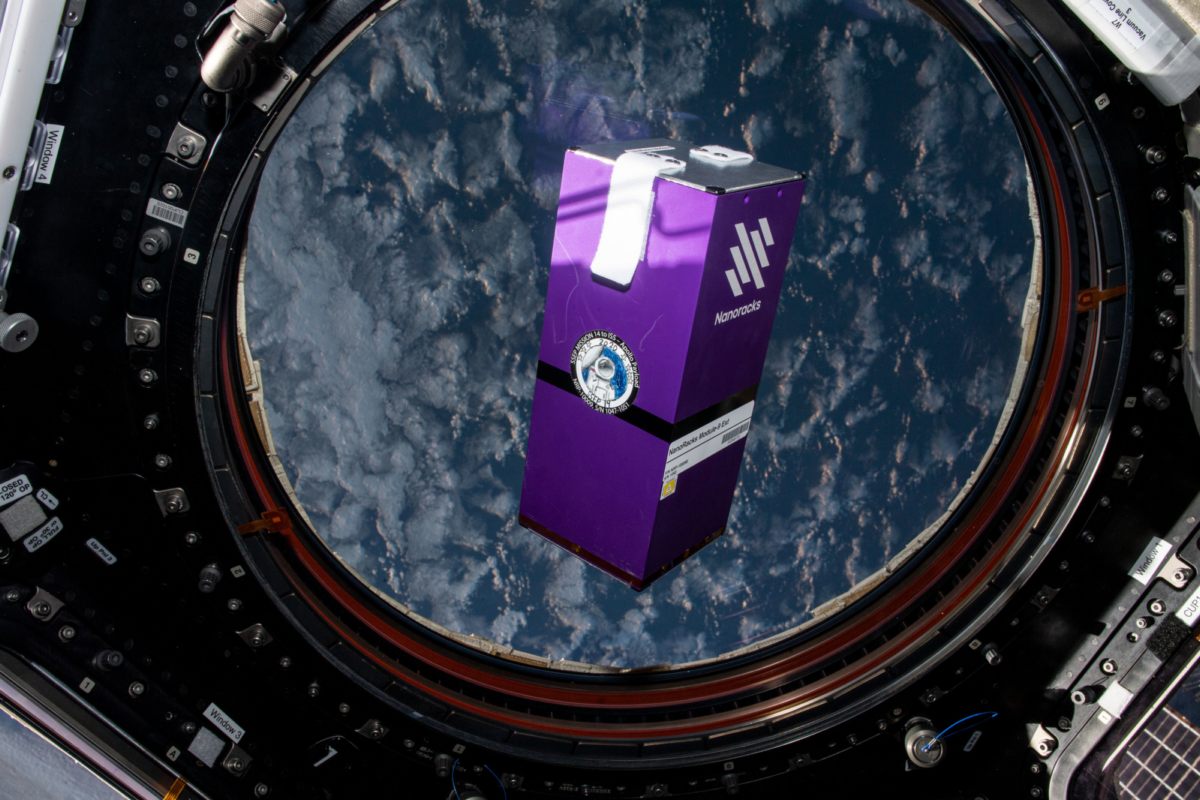
Other companies like @Nanoracks have supported materials research in space with its Nanoracks External Platform (NREP), mounted on the outside of the ISS for providing communication, power, and operations to hosted payloads.
@Aegis Aerospace also offers material testing capabilities with sampler trays mounted outside the ISS, which, unlike Barnacle Dot, is restricted to operating in LEO.
As the space industry continues to evolve, an innovative approach to material testing may play a crucial role in shaping the future of space material qualification.