


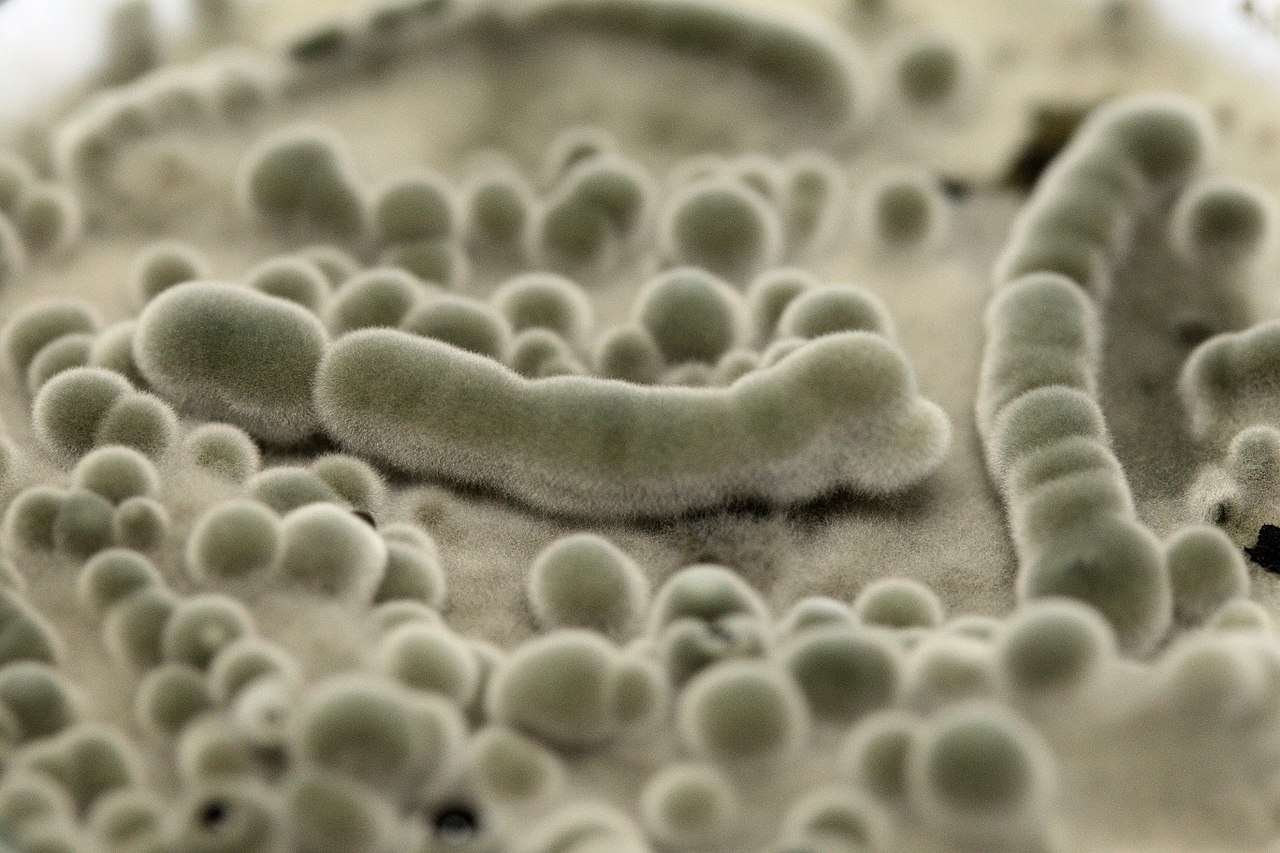
In the aftermath of the Chernobyl disaster, scientists discovered an extraordinary organism: Cryptococcus neoformans, a fungus that thrives on radiation. This remarkable microbe employs a process called radiosynthesis, converting ionizing radiation into energy. The fungus’s ability to flourish in highly radioactive environments has sparked numerous studies exploring how these radiation-eating fungi function and how they might be used to advance human knowledge and technology.
Building on this groundbreaking discovery, experiments aboard the International Space Station (ISS) have explored the potential of similar radiation-resistant fungi as shields for astronauts in space. The study, titled “A Self-Replicating Radiation-Shield for Human Deep-Space Exploration,” focused on Cladosporium sphaerospermum, a melanin-rich fungus related to those found in Chernobyl.
The results were impressive. A mere 1.7mm thick layer of fungal growth reduced radiation levels by 2.17%. It is too early to get overly excited about the practical applications of this fungus in space travel. The team estimates that on Mars, to bring radiation levels down to Earth-like conditions, a habitat would need to be covered with a 2.3-meter thick layer of fungi.
What makes these fungi so valuable for space exploration is not just their radiation resistance, but their ability to grow and self-replicate in space conditions. As these fungi thrive on radiation, they grew about 21% faster on the ISS than on Earth. This opens up possibilities for in-situ resource utilization (ISRU), where astronauts could potentially cultivate their own radiation shields, significantly reducing the need for heavy payloads from Earth.
Fungi show promise in various aspects of space exploration: as sustainable food sources rich in nutrients, potential medicines for maintaining astronaut health, and even as construction materials. Researchers are exploring the use of mycelium, the root-like structure of fungi, to grow bricks (https://www.linkedin.com/posts/tolgaors_fungaltechnology-sustainablespace-fungalfoods-activity-7212421454955483136-o0Bp), potentially offering a sustainable method for building off-world habitats. These versatile organisms could thus play a crucial role in enabling long-term human presence beyond Earth, serving multiple functions in our quest to explore and inhabit new worlds.
The implications of this ISS radiation research extend beyond space exploration. Understanding how these fungi interact with radiation could lead to advancements in nuclear waste management and the development of new energy sources.