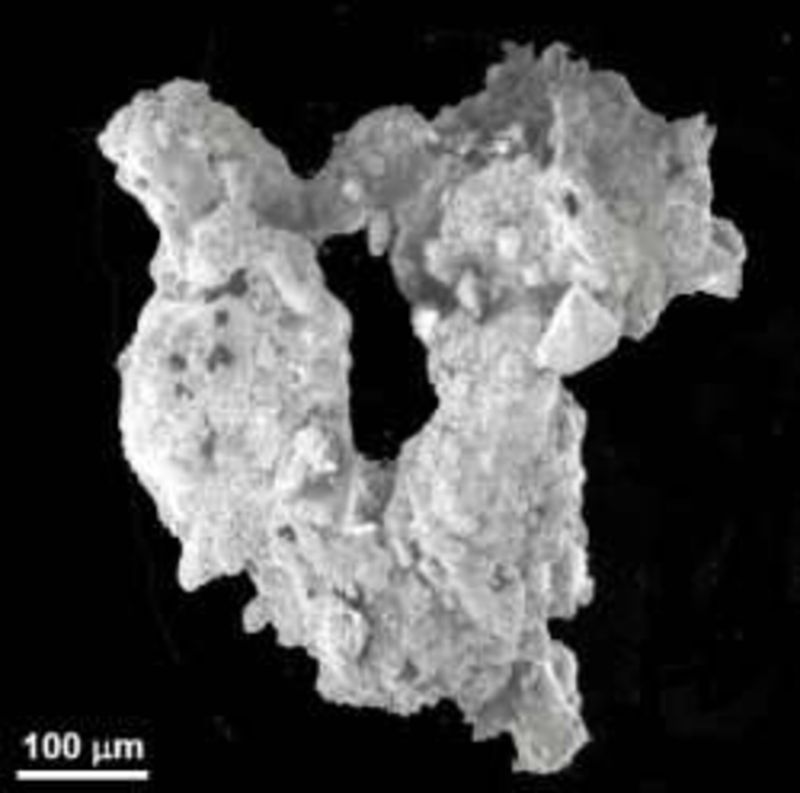
The challenge of lunar dust, a seemingly modest concern on Earth, represents a critical engineering hurdle for renewed lunar ambitions. The Electrodynamic Dust Shield (EDS) technology is on its journey to the Moon aboard Firefly Aerospace‘s Blue Ghost Lander Mission 1, joining nine other payloads in NASA – National Aeronautics and Space Administration‘s Commercial Lunar Payload Services (CLPS) initiative.
Lunar regolith poses unique challenges that set it apart from terrestrial dust. The Moon’s lack of atmospheric weathering has preserved the dust particles’ sharp, glass-like edges, while constant solar radiation charges these particles electrostatically. This combination creates a particularly insidious threat to both equipment and human safety, as the dust can infiltrate critical systems, and compromise seals.
Dr. Charles Buhler, lead research scientist at John F Kennedy Space Centre‘s Electrostatics and Surface Physics Laboratory, explains the gravity of the situation: “Lunar regolith dust can get into gaskets and seals, into hatches, and even into habitats, which can pose a lot of issues for spacecraft and astronauts.” The standard approach of brushing surfaces clean often exacerbates the problem due to the dust’s highly insulating nature and electrostatic properties.
The EDS technology addresses these challenges through an innovative application of electrical forces. Using transparent electrodes and carefully calibrated electric fields, the system can effectively lift and remove dust from various surfaces crucial to lunar operations – from thermal radiators and solar panels to spacesuits and helmet visors.
This lunar demonstration represents the culmination of years of development and testing, building upon NASA’s Electric Curtain concept from 1967. The technology has undergone rigorous validation, including tests in vacuum chambers with both simulated regolith and actual Apollo mission samples, and a 2019 demonstration on the International Space Station.
As NASA advances its Artemis campaign, the successful implementation of dust mitigation strategies becomes increasingly critical for establishing a sustainable human presence on the Moon. The performance of the EDS technology in the actual lunar environment will provide valuable insights for future lunar missions and habitat designs, marking another step forward in humanity’s return to the Moon.
Electrodynamic Dust Shield: NASA’s Innovation for Lunar Dust Management Takes Flight