Brazil, long recognized as an agricultural powerhouse, is planning on taking its expertise beyond Earth. In 2021, Brazil became a signatory to the Artemis Accords, and among various potential contributions, Brazilian Space Agency (AEB/MCTI) in collaboration with Embrapa and the Brazilian government decided that space agriculture would be a strategic priority that leverages the nation’s existing strengths while at the same time aiming for know-how transfer for producing food in rural areas with limited resources, or areas that are affected by droughts.
The “Space Farming Brazil” research network represents a remarkable collaboration between government agencies, research institutions, and industry partners. Led by Embrapa (Brazilian Agricultural Research Corporation) and supported by the Brazilian Space Agency (AEB), this initiative aims to develop innovative food production systems for extraterrestrial environments.
The second Space Agriculture workshop this year at the PIT – Parque de Inovação Tecnológica São José dos Campos has accelerated this effort, bringing together approximately 60 specialists from government, academia and industry to exchange knowledge and present research findings which are making waves in the international science community.
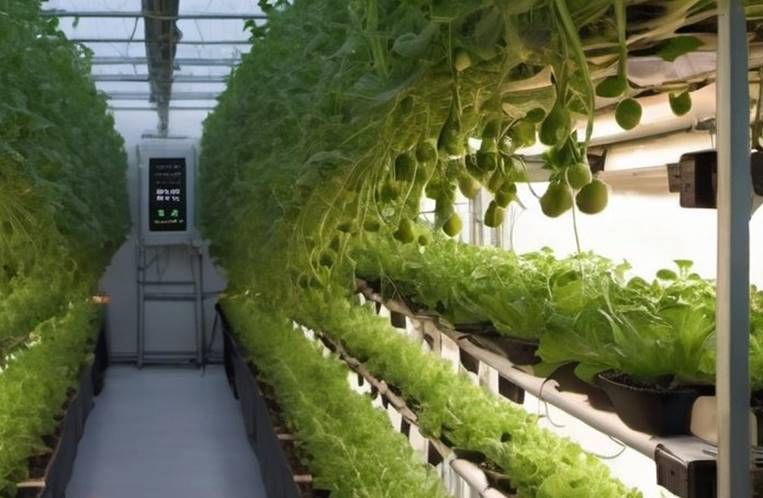
The innovations emerging from space farming research have immediate practical applications for addressing urgent terrestrial challenges. These technologies are already being adapted for vertical farming in urban environments, agriculture in arid regions, and growing produce without soil or harmful pesticides. The research also focuses on developing self-sustaining systems that create fertilizers from waste and find alternative water and energy sources – critical solutions for communities facing resource scarcity.
The Brazilian Space Agency is positioning this initiative as part of the National Space Activities Program 2022-2031, alongside other Artemis-related projects like SelenITA and Garatea-L. By selecting one of the focus areas as space agriculture, Brazil is creating a niche that aligns with its established expertise while stimulating domestic industry growth and job creation in the emerging space economy.
This strategic approach demonstrates how Brazil is leveraging its agricultural excellence to address challenges both in space and on Earth. The technologies developed through this program have the potential to revolutionize food production in resource-limited environments, providing sustainable solutions for communities across Brazil and worldwide. By supporting collaboration between government agencies, research institutions, and industry partners, Brazil is effectively planting the seeds for its New Space economy – cultivating innovations that will yield benefits at home while establishing the nation’s unique contribution to humanity’s future beyond our planet.
Brazil’s Space Agriculture Initiative: Planting the Seeds for New Space Economy