For over two decades, the International Space Station (ISS) has been humanity’s premier microgravity laboratory, advancing our understanding of science and technology. As we enter a new phase of space exploration, NASA – National Aeronautics and Space Administration‘s Low Earth Orbit (LEO) microgravity strategy is evolving to embrace a more inclusive and commercially driven future.
The unique LEO microgravity environment has proven very valuable for scientific discovery, technological innovation, and international collaboration. What began as a government-led initiative is now transforming into a dynamic ecosystem where private New Space companies are becoming increasingly important stakeholders. This shift represents not just a change in operational structure, but a fundamental democratization of space research.
The dramatic reduction in launch costs to access the LEO microgravity environment has catalyzed an exponential growth in New Space companies, resulting in a surge of commercial entities developing innovative platforms and services.
Looking ahead, the most promising path forward lies in expanding commercial access to the LEO microgravity environment. This approach offers several key advantages: it reduces costs through market competition, accelerates innovation through diverse participation, and creates sustainable business models that can support long-term space research and development.
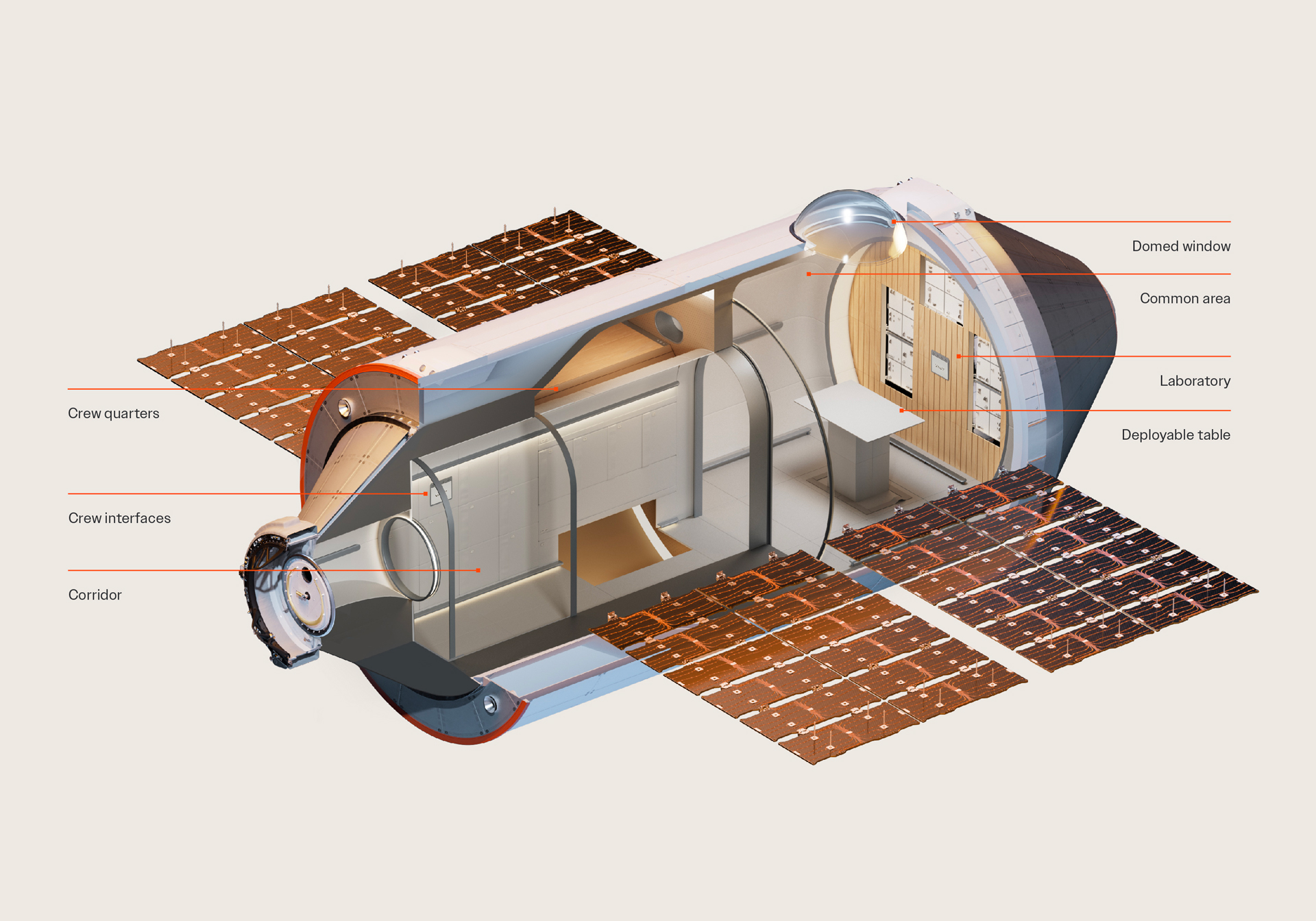
NASA’s strategy recognizes this potential through its Commercial LEO Destination (CLD) program, with the Phase 2 winner(s) to be selected in mid-2026. Companies like Vast are developing solutions such as Haven-2, which ensure we preserve the crucial capabilities developed through the ISS program while building new commercial pathways for microgravity research.
As we advance with the Artemis lunar mission and potentially Mars settlement plans, the role of commercial microgravity research becomes even more critical. Private sector experiments in areas such as advanced materials, biological and physcial sciences, autonomous systems, and life support technologies will be essential for developing the solutions needed for space exploration.
The future of LEO is not just about government space programs – it’s about creating an accessible, commercially viable research environment that drives innovation across multiple industries. By embracing this new paradigm, we are not just advancing space science; we are laying the groundwork for a truly sustainable space economy.
The Democratization of Low Earth Orbit: A New Era of Microgravity Research