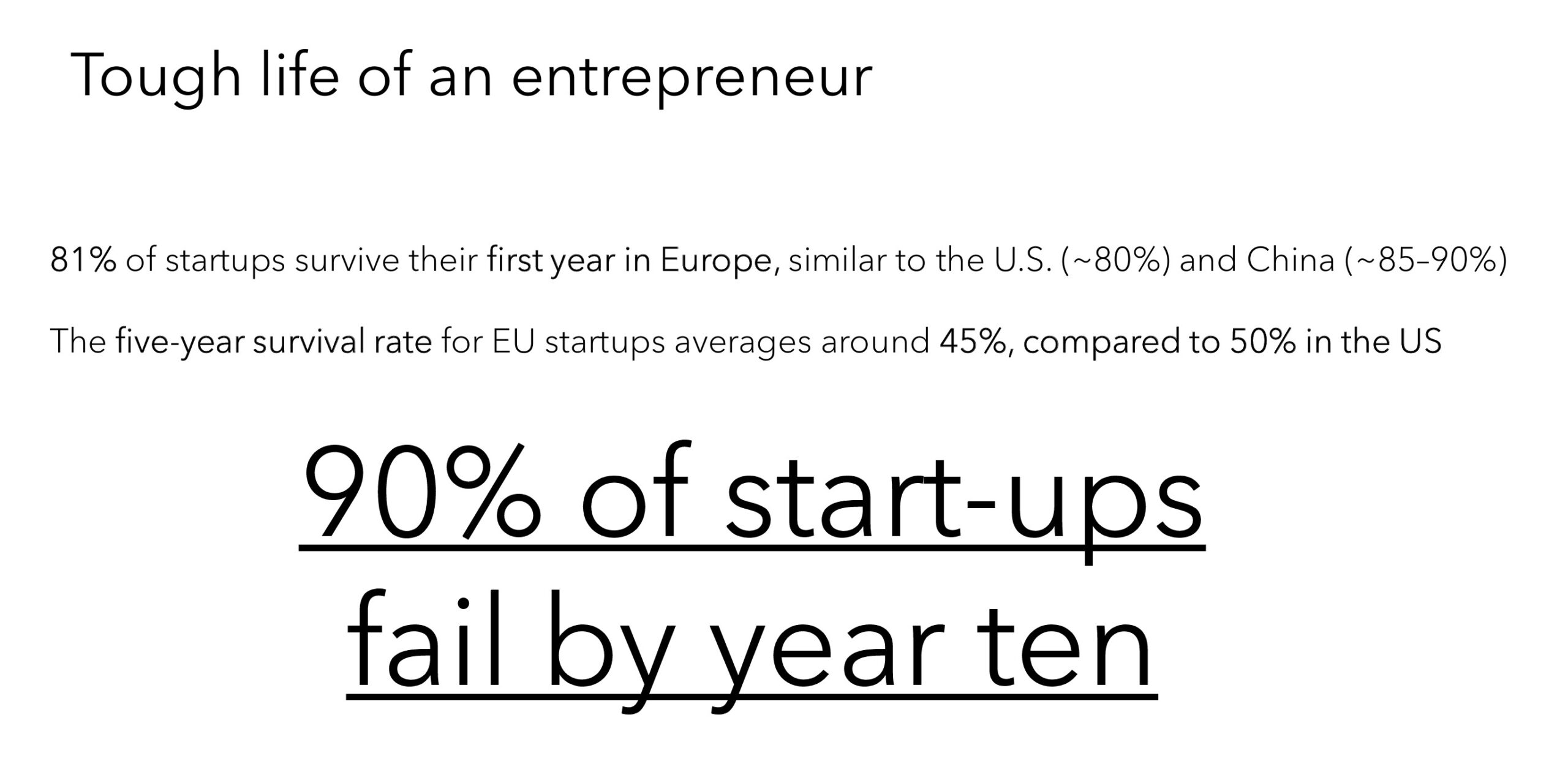
Following the opening ceremony of the International Space Robotics Competition & Conference 2025 Justyna Redelkiewicz, MBA from GoCosmic delivered a keynote on “The Challenges of Space Commercialization” that revealed a sobering reality: 90% of space start-ups fail within their first decade. This statistic, while daunting, presents an opportunity to learn from common pitfalls and chart a course toward sustainable success.
𝐓𝐡𝐞 𝐏𝐫𝐨𝐝𝐮𝐜𝐭-𝐌𝐚𝐫𝐤𝐞𝐭 𝐅𝐢𝐭 𝐂𝐡𝐚𝐥𝐥𝐞𝐧𝐠𝐞: 𝐁𝐮𝐢𝐥𝐝𝐢𝐧𝐠 𝐖𝐡𝐚𝐭 𝐭𝐡𝐞 𝐌𝐚𝐫𝐤𝐞𝐭 𝐀𝐜𝐭𝐮𝐚𝐥𝐥𝐲 𝐍𝐞𝐞𝐝𝐬
The number one reason for New Space start-up failure remains fundamentally human: founders developing solutions for problems that don’t exist or markets that aren’t ready. This challenge extends beyond start-ups—even established organizations occasionally fall into the “build it and they will come” approach, co-investing in projects without confirmed market demand.
𝐂𝐚𝐬𝐡 𝐅𝐥𝐨𝐰: 𝐓𝐡𝐞 𝐒𝐢𝐥𝐞𝐧𝐭 𝐂𝐨𝐦𝐩𝐚𝐧𝐲 𝐊𝐢𝐥𝐥𝐞𝐫
The second most common failure point involves cash flow management.
Successful New Space companies put an advance payment in contracts to cover 3rd party orders. They understand that relying solely on friends, family, or single-source funding creates vulnerability when that support inevitably reaches its limits. Also, some founders focus mainly on revenues rather than cash income.
𝐀𝐝𝐚𝐩𝐭 𝐨𝐫 𝐏𝐞𝐫𝐢𝐬𝐡
New Space companies possess a unique advantage over traditional space organizations: agility. When founders discover that customers want a different product or service, the successful start-ups adapt quickly. This adaptability mirrors natural selection – companies that respond effectively to market feedback survive, while those that ignore customer needs join the 90%.
𝐓𝐡𝐞 𝐏𝐚𝐭𝐡 𝐅𝐨𝐫𝐰𝐚𝐫𝐝: 𝐋𝐞𝐯𝐞𝐫𝐚𝐠𝐢𝐧𝐠 𝐈𝐧𝐝𝐮𝐬𝐭𝐫𝐲 𝐄𝐱𝐩𝐞𝐫𝐭𝐢𝐬𝐞
For New Space entrepreneurs, the failure statistics are not meant to create fear. Industry consultants and advisors bring valuable perspective on market dynamics, customer needs, and common pitfalls. Their experience can help founders navigate the gap between technical capability and market demand.
𝐄𝐮𝐫𝐨𝐩𝐞𝐚𝐧 𝐍𝐞𝐰 𝐒𝐩𝐚𝐜𝐞: 𝐀 𝐆𝐫𝐨𝐰𝐢𝐧𝐠 𝐌𝐚𝐫𝐤𝐞𝐭
Despite the high failure rate, European New Space valuations continue their upward trajectory across both upstream and downstream sectors. European sovereignty concerns are creating new opportunities, with government backing increasingly supporting companies that build for both private and public sector needs.
This trend suggests that the overall market opportunity continues expanding. New Space companies that address real market needs while maintaining financial discipline can capitalize on this growing ecosystem.
𝐖𝐡𝐲 90% 𝐨𝐟 𝐒𝐩𝐚𝐜𝐞 𝐒𝐭𝐚𝐫𝐭-𝐮𝐩𝐬 𝐅𝐚𝐢𝐥: 𝐀 𝐍𝐞𝐰 𝐒𝐩𝐚𝐜𝐞 𝐑𝐞𝐚𝐥𝐢𝐭𝐲 𝐂𝐡𝐞𝐜𝐤