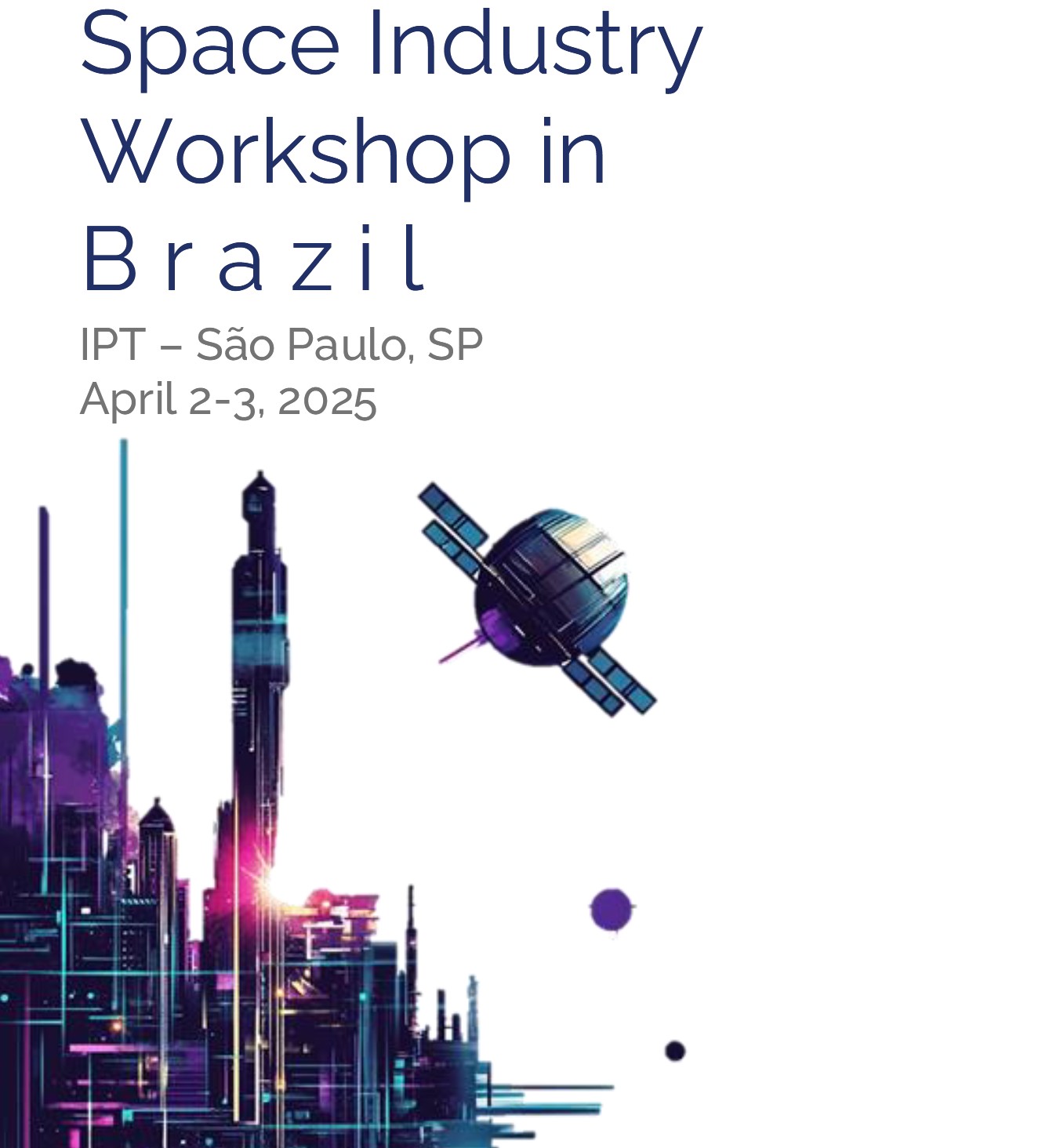
The Brazilian Space Industry workshop recently convened at Instituto de Pesquisas Tecnológicas (IPT) in São Paulo. This first of its kind event in Brazil, organized by the Brazilian Space Agency (AEB/MCTI) and Lucas Fonseca with technical support from the United Nations Office for Outer Space Affairs (UNOOSA) attracted major companies, entrepreneurs, and investors collectively focused on shaping Brazil’s New Space economy.
The workshop explored multiple facets of the New Space economy through diverse panel discussions covering agriculture, mining, high-impact sustainability initiatives, global market trends, private space stations, lunar projects, and community-impacting initiatives worldwide. By intentionally limiting attendance, organizers ensured quality, meaningful dialogue and networking opportunities.
𝐊𝐞𝐲 𝐂𝐡𝐚𝐥𝐥𝐞𝐧𝐠𝐞𝐬 𝐟𝐨𝐫 𝐁𝐫𝐚𝐳𝐢𝐥’𝐬 𝐄𝐦𝐞𝐫𝐠𝐢𝐧𝐠 𝐍𝐞𝐰 𝐒𝐩𝐚𝐜𝐞 𝐄𝐜𝐨𝐬𝐲𝐬𝐭𝐞𝐦
By attending the workshop, I identified the following challenges that currently hinder Brazil’s potential to develop a thriving New Space sector:
● Absence of dedicated Space Start-Up Incubation centers, similar to ESA Business Incubation Center (BIC) in Europe which provide co-funding and facilities that would require a high cap-ex investment.
● Limited presence of local space-focused accelerators, such as Seraphim Space Camp Accelerator and Mandala Space Ventures, which provide critical business focus.
● Scarcity of domestic investment in space startups, unlike established entities such as Seraphim Space and Seldor Capitalin other markets.
● Constraints from a relatively closed economy that limits investment flow.
𝐏𝐚𝐭𝐡𝐰𝐚𝐲𝐬 𝐅𝐨𝐫𝐰𝐚𝐫𝐝
The most effective approach would be establishing Brazilian-based incubation centers and accelerators tailored to the unique challenges of space technology development. Recognizing the perceived investment risk, an alternative pathway could involve the Brazilian Space Agency partnering with established international incubation centers and accelerators. This collaboration could include a selective process to identify promising Brazilian New Space ventures for participation.
Looking ahead, the 2026 workshop edition plans to expand its scope while focusing on actionable international collaboration and financing strategies. Currently, Brazilian investors view New Space ventures as high-risk Deep Tech investments, requiring targeted government support to catalyze growth.
Brazil—already a powerhouse across multiple industries from agriculture to aerospace—requires modest government funding to emerge as South America’s space economy leader and fulfil objectives outlined in the National Program for Space Activities
𝐁𝐮𝐢𝐥𝐝𝐢𝐧𝐠 𝐁𝐫𝐚𝐳𝐢𝐥’𝐬 𝐍𝐞𝐰 𝐒𝐩𝐚𝐜𝐞 𝐄𝐜𝐨𝐧𝐨𝐦𝐲: 𝐈𝐧𝐬𝐢𝐠𝐡𝐭𝐬 𝐟𝐫𝐨𝐦 𝐭𝐡𝐞 𝐅𝐢𝐫𝐬𝐭 𝐒𝐩𝐚𝐜𝐞 𝐈𝐧𝐝𝐮𝐬𝐭𝐫𝐲 𝐖𝐨𝐫𝐤𝐬𝐡𝐨𝐩